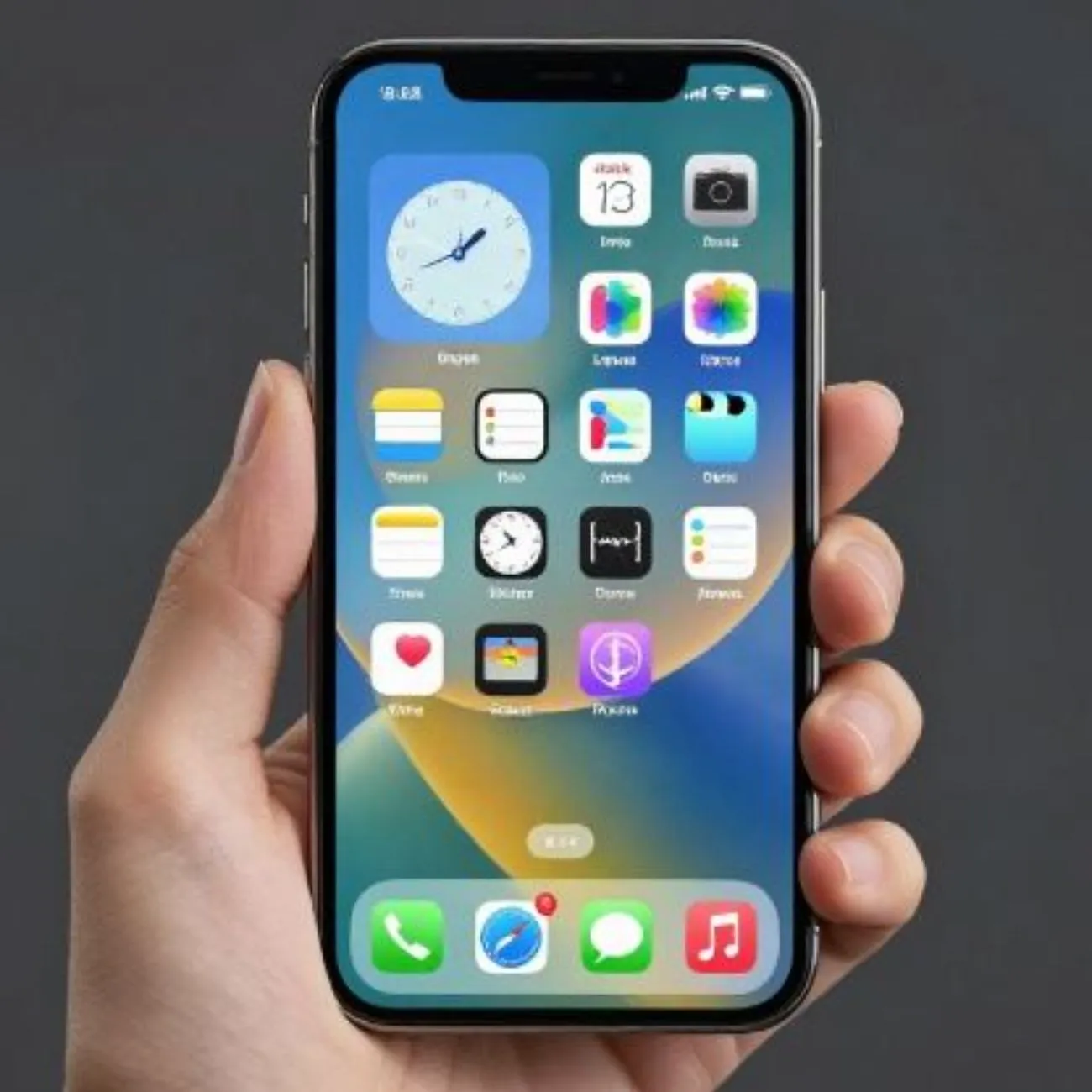
Apple is preparing its biggest Siri overhaul in history. The upgraded assistant, launching with iOS 27 in September 2026, shifts Siri from a simple voice tool into a full-featured AI chatbot. Here is what matters most, ranked by importance.
1. This Is a Complete Reinvention — Not an Update
The new Siri functions like ChatGPT or Google Gemini. It holds multi-turn conversations, remembers what you said earlier, generates images, helps you write code, summarizes documents, and analyzes uploaded files. Every major Apple app — Mail, Photos, Messages, Calendar, Notes, Maps, and more — connects deeply with it.
A new standalone app replaces the old voice-command experience. You can type or speak, browse past chats in a grid view, pin favorites, and search through conversation history. It also gains on-screen awareness, meaning it can read what is currently open on your device and respond to it.
2. Privacy Is the Entire Point
Apple is betting its AI reputation on privacy, and this is where the upgrade stands apart from every competitor.
Conversations auto-delete by default. You choose between three settings: 30 days, one year, or keep forever. This is not a hidden incognito toggle — it is baked directly into Siri’s core settings from day one. Apple modeled it after the auto-delete feature already available in iMessage.
Beyond deletion, here is what else Apple is doing differently:
- No real user data for training — Apple uses synthetic data instead
- Google cannot touch your conversations — even though Gemini powers the model underneath, a contractual agreement blocks Google from using Siri chats to train its AI
- On-device processing — personal data stays on your device and never reaches external servers
- Private cloud infrastructure — Apple runs its own servers, separate from Google, Amazon, or Microsoft
- End-to-end encryption — all conversations are encrypted throughout
Competitors like ChatGPT offer optional “Temporary Chat” modes. Apple makes privacy the default, not the exception. Apple openly admits this approach may slow down capability improvements — but frames that trade-off as a benefit, not a weakness.
3. The AI Engine Behind It
Internally codenamed “Campos,” the new Siri runs on a custom model built on Google’s Gemini architecture. Apple has heavily modified it and hosts everything on private servers, so you never touch Google’s infrastructure directly.
The system works as a hybrid: some tasks process on your device, heavier requests go to Apple’s private cloud. You will need an iPhone 13 or later (A15 Bionic chip minimum) and roughly 5–10 GB of free storage.
4. How You Start a Conversation
Multiple ways to launch the new Siri:
- Say “Siri” hands-free as before
- Hold the side button on iPhone or iPad
- Tap the new “Ask Siri” button built across iOS 27 apps
- Tap the Dynamic Island prompt on Pro iPhones
You also control whether Siri opens with memory of your last conversation or starts completely fresh. This context toggle is useful for sensitive queries where you want a clean slate.
5. When to Expect It — and What to Watch For
Apple officially announces iOS 27 at WWDC on June 8, 2026. Developer betas begin immediately after, public betas open in July, and the full release lands in September 2026 alongside the new iPhone lineup.
One thing to keep in mind: Siri may launch with a “Beta” label and an opt-out switch, suggesting some features may still be in progress at launch. A more complete rollout is expected through late 2026 into early 2027.
Bottom Line
If privacy matters to you, the new Siri is worth paying attention to. Auto-delete by default, no user data in training, and private cloud servers give it a meaningful edge over rivals. The capability gap compared to ChatGPT or Claude may be real, but Apple is clearly betting that millions of users will choose privacy over raw power — and building everything around that belief.