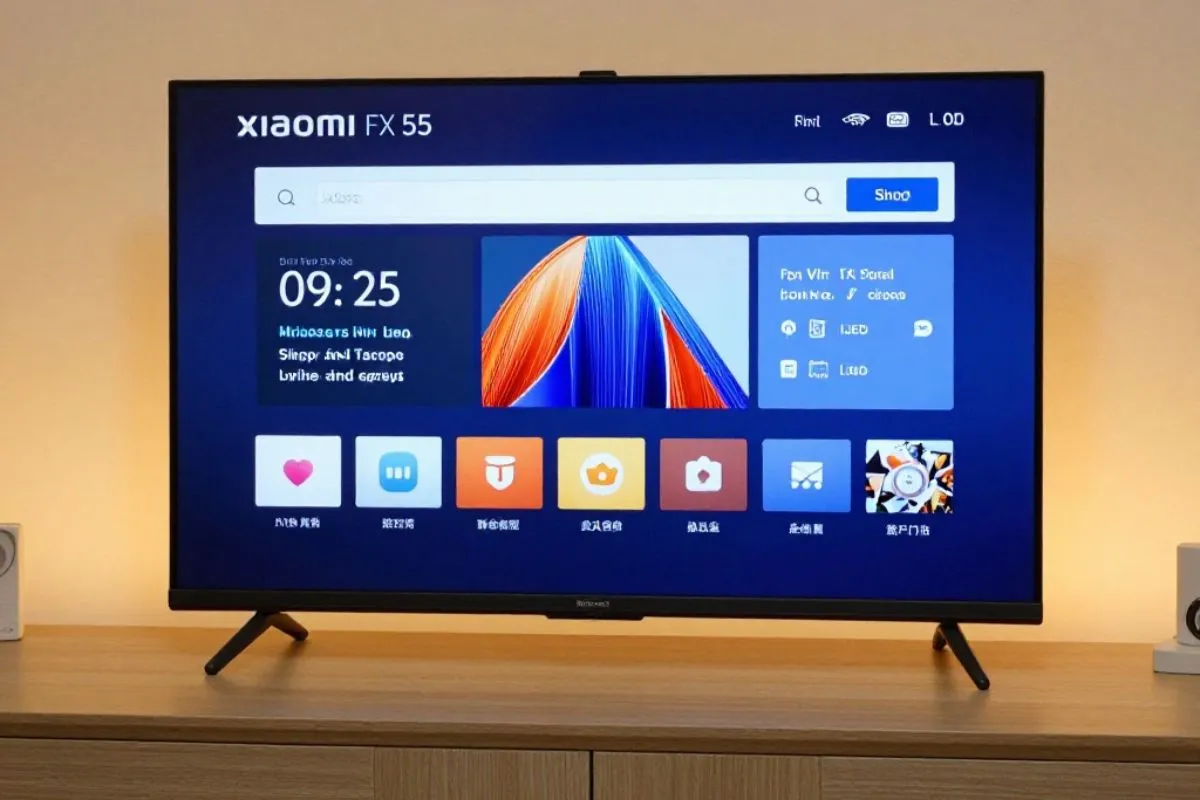
The biggest reason to consider this TV is its Full-Array Mini LED panel with local dimming zones. Unlike edge-lit TVs that bleed light unevenly into corners, this technology delivers genuinely deeper blacks and brighter highlights across the entire screen. Combined with the Quantum MagiQ engine (Quantum Dot + Mini LED), colors cover 93% of the DCI-P3 cinema color space with up to 1.07 billion shades. For movies, sports, and HDR content, this is a meaningful visual upgrade over standard LED TVs in this price range.
HDR support covers HDR10+, HLG, and Filmmaker Mode — the latter preserving the director’s intended color and brightness without artificial processing. The 178° viewing angle means picture quality holds up even from the sides.
Size and Refresh Rate Matter
All four sizes — 43″, 55″, 65″, and 75″ — deliver 4K Ultra HD resolution. However, one critical distinction: the 43″ model is limited to 60Hz, while the 55″, 65″, and 75″ models support DLG 120Hz Game Mode. If gaming or fast-motion sports are priorities, skipping the 43″ is a smart call. The 4K MEMC motion enhancement helps reduce blur across all sizes, but 120Hz on larger panels is noticeably smoother.
Smart Features Are Ready Out-of-the-Box
Running Amazon Fire TV with access to over 12,000 apps — Netflix, Prime Video, JioHotstar, YouTube, Disney+ — setup requires no external streaming stick. Built-in Alexa with a dedicated remote button handles voice commands hands-free. Apple AirPlay 2 and Miracast support wireless screen mirroring from phones and laptops. Parental controls and personalized profiles add everyday usability.
The processor (Quad-core Cortex A55 + Mali-G52 GPU) with 2GB RAM and 32GB storage is functional for navigation and app switching, though heavy multitasking may feel slightly sluggish over time.
Gaming Features Are Solid on Larger Sizes
For the 55″ and above, this TV checks important gaming boxes: 120Hz refresh rate, Auto Low Latency Mode (ALLM) via HDMI 2.1, MEMC technology, and reduced input latency. These features make a real difference in fast-paced titles. The 43″ misses out entirely on these gaming advantages, which is worth factoring into the buying decision.
Audio Is Adequate, Not Exceptional
The 20W output is reasonable for casual watching. The 43″ uses two full-range drivers, while larger models step up to a four-driver configuration with added high-frequency tweeters. Dolby Audio, DTS:X, and DTS Virtual:X support adds depth to soundtracks and dialogue. That said, for a cinematic experience, an external soundbar will noticeably improve audio quality — especially at high volumes.
Connectivity Covers the Essentials
Three HDMI ports (including one HDMI 2.1 with ARC and ALLM), two USB 2.0 ports, dual-band Wi-Fi, Bluetooth 5.0, Ethernet, and a 3.5mm jack — everything a typical user needs is covered. The wide codec support (AV1, H.265, H.264) handles most media file formats without issues.
Pricing – Where It Stands Out
|
Model |
Standard Price |
Launch Offer |
|
43″ |
₹32,999 |
₹29,999 |
|
55″ |
₹44,999 |
₹39,999 |
|
65″ |
₹64,999 |
₹59,999 |
|
75″ |
₹84,999 |
₹79,999 |
Mini LED at under ₹30,000 for the 43″ is genuinely competitive. The 55″ at ₹39,999 during the launch window offers the best overall value — you get 120Hz, quad speakers, and gaming features together.
Quick Verdict
Buy it if: You want premium picture quality (Mini LED contrast, wide color gamut) without crossing ₹45,000, and plan to use the 55″ or larger for both streaming and gaming.
Skip or reconsider if: You need the 43″ for gaming — the 60Hz panel and absent gaming features make it a poor fit. Audiophiles should budget extra for a soundbar regardless of size.
Best pick: The 55″ at ₹39,999 (launch price) hits the sweet spot between price, display performance, and features.