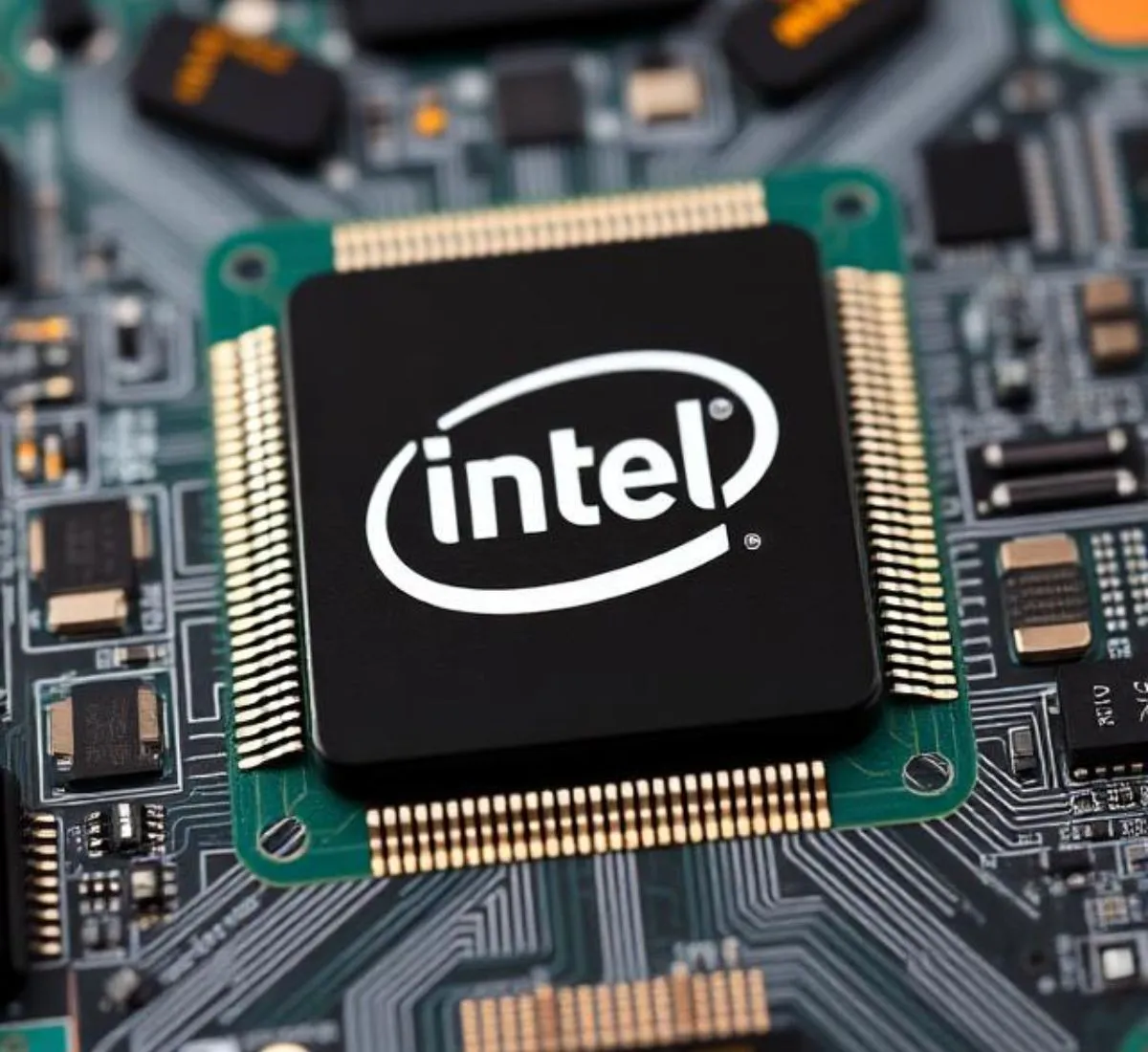
Intel is stepping back into the AI hardware race with its new Crescent Island chip, built specifically to handle the growing demands of artificial intelligence. Before diving in, it is important to clear up a common misconception: this chip will not be released by the end of 2026. Customer sampling begins in the second half of 2026, with a full market launch more likely in 2027. Intel officially announced the chip on October 14, 2025, at the Open Compute Summit, and shared further details at Computex in May 2026.
What It Is Built For
The most critical thing to understand is that Crescent Island is designed purely for AI inference, not training. This distinction matters greatly for buyers. If your workload involves running AI models in real time rather than building them from scratch, this chip is made for you. Intel is specifically targeting “tokens-as-a-service” providers and businesses running agentic AI workloads, where fast and cost-efficient responses matter most.
Key Technical Highlights
The chip uses Intel’s next-generation Xe3P microarchitecture, built on the Intel 18A process node, the same technology powering its Panther Lake CPUs. It runs at 350W and fits into a standard PCIe add-in card slot, making it compatible with existing air-cooled enterprise servers. This is a deliberate design choice that sets it apart from competitors requiring expensive liquid cooling infrastructure.
Instead of HBM memory used by Nvidia and AMD, Intel chose LPDDR5X memory. The reference design starts at 160GB, but partners can configure it up to 480GB. This exceeds Nvidia Rubin at 288GB and AMD MI450X at 432GB, making Crescent Island the highest-capacity option in the comparison. Memory bandwidth sits at 684 GB/s at 10.7 Gbps. It supports a wide range of data types from FP4 for fast inference all the way to FP64 for scientific computing tasks.
Why the Memory Choice Matters
Using LPDDR5X instead of HBM is both a cost advantage and a strategic bet. HBM is expensive and currently facing supply shortages. By avoiding it, Intel keeps the chip more affordable and easier to procure. The tradeoff is lower raw memory bandwidth compared to HBM-based competitors, but Intel believes energy efficiency and cost-per-token will matter more to its target customers.
Competitive Position
Intel is positioning Crescent Island as a practical, cost-effective alternative to Nvidia and AMD accelerators. It works in data centers that already exist, without requiring new cooling infrastructure or major hardware upgrades. For companies spending heavily on AI inference at scale, this lowers the barrier to entry significantly. Intel also plans to release new datacenter AI chips on a yearly cadence, signaling a long-term commitment to staying competitive in this space.
Limitations to Be Aware Of
The chip is not suited for model training workloads, which limits its appeal to a specific segment of the AI market. It also carries the weight of Intel’s mixed track record with previous AI accelerators. Trust will need to be rebuilt through actual performance, not just specifications. The use of LPDDR5X over HBM may also concern buyers who prioritize raw throughput above all else.
Final Verdict
Crescent Island is a focused, practical chip built for one job: running AI inference efficiently and affordably. It is not trying to compete with Nvidia across every metric. Instead, Intel is targeting buyers who want to reduce costs, avoid HBM supply risks, and deploy AI in existing infrastructure without major upgrades. If that matches your situation, this chip deserves a close look once it becomes available for sampling in late 2026.