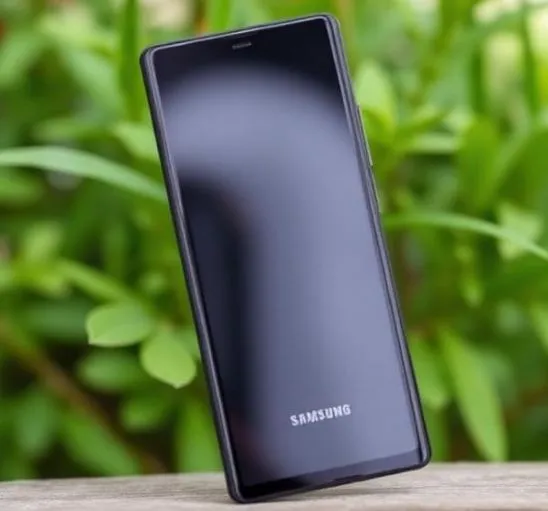
The Samsung Galaxy S26 Ultra is shaping up to be Samsung’s most powerful flagship yet, with a February 25, 2026 launch date. But with prices starting at Rs.1,25,990 in India (and up to $1,659 in the US for higher configurations), is it worth the investment? Here’s what actually matters.
The Display: Premium Visual Experience
The 6.9-inch Dynamic LTPO AMOLED 2X screen is the centerpiece, offering QHD+ resolution with a smooth 1-144Hz adaptive refresh rate. What this means for you: scrolling feels incredibly smooth, battery life improves when you’re reading static content, and outdoor visibility is excellent thanks to 2600 nits peak brightness. The Corning Gorilla Armor 2 glass adds anti-reflective coating, so you’ll actually see your screen clearly in sunlight instead of squinting at reflections. The ultrasonic fingerprint sensor under the display is fast and secure.
Priority level: High – You interact with your display constantly, so this upgrade matters.
Performance: Built for Power Users
The Snapdragon 8 Gen 5 (Elite Gen 5) chipset with its octa-core CPU delivers flagship-tier performance. You’re getting 12GB or 16GB RAM paired with storage options from 256GB to 1TB. No microSD slot means you need to choose your storage wisely upfront.
What this handles: Gaming at high settings, AI-powered photo editing, multitasking between dozens of apps, and 7 years of software updates for longevity.
Priority level: Medium-High – Unless you’re a power user or gamer, mid-tier phones now handle most daily tasks well. This matters if you want future-proofing.
Camera System: Versatile but Incremental
The quad rear setup includes:
- 200MP main sensor with optical image stabilization
- 12MP ultra-wide for landscapes
- 10MP 3x telephoto
- 50MP 5x periscope telephoto
The 12MP front camera supports 4K@60fps video with HDR10+. The camera can shoot 8K@30fps video and features laser autofocus and gyro-EIS for stable footage.
Real-world benefit: You get excellent zoom capabilities (3x and 5x optical), strong low-light performance, and professional-grade video. The 200MP sensor lets you crop photos heavily while maintaining quality.
Priority level: High if you value photography – The camera is genuinely versatile. But if you mostly take casual photos, you’re paying for capabilities you won’t fully use.
Battery Life: All-Day Reliability
The 5000mAh battery supports 60W wired charging (PD3.0), 15W wireless (Qi2-ready), and 4.5W reverse wireless charging. Expect a full charge in about 30 minutes via wired, or 75% in 30 minutes with adaptive controls.
Priority level: High – Battery anxiety is real. This capacity, combined with the efficient chipset and adaptive display, should easily last a full day of heavy use.
Build and Design: Premium but Practical
At 7.9mm thick and 214g, it’s slim without feeling fragile. The IP68 water resistance, titanium frame, and pill-shaped camera island (possibly inspired by the Z Fold series) give it a premium feel. You’re getting stereo speakers, Wi-Fi 7, Bluetooth 5.4, UWB for precise device finding, and Samsung DeX for desktop mode via USB-C.
Connectivity: Future-Ready
5G support across all major bands, Wi-Fi 7 tri-band reaching up to 46Gbps theoretical speeds, and dual nano-SIM/eSIM slots ensure you’re covered globally. NFC handles contactless payments, and USB Type-C 3.2 supports 4K@60Hz external displays.
What to Consider
Buy it if:
- You want a camera phone with serious zoom capabilities
- You value display quality and outdoor visibility
- You need a phone that’ll stay fast for 5+ years
- Samsung DeX or stylus support (S Pen) matters to you
Skip it if:
- You don’t use telephoto cameras often
- Rs.1,25,990 seems steep for incremental upgrades over the S25 Ultra
- You prefer compact phones (6.9 inches is large)
- You’re satisfied with your current flagship
The Galaxy S26 Ultra delivers premium specs across the board, but the value proposition depends on your priorities. The display and battery life benefit everyone. The cameras shine for photography enthusiasts. The performance matters for longevity and intensive tasks.
If you’re upgrading from a phone 2-3 years old, the improvements will feel substantial. But if you have an S24 or S25 Ultra, the changes are evolutionary rather than revolutionary. Wait for hands-on reviews to see if the real-world experience justifies the premium pricing.
- “Note: This information has been collected from various sources available on the internet. Please verify the prices and specifications on the official website before making any purchase.”