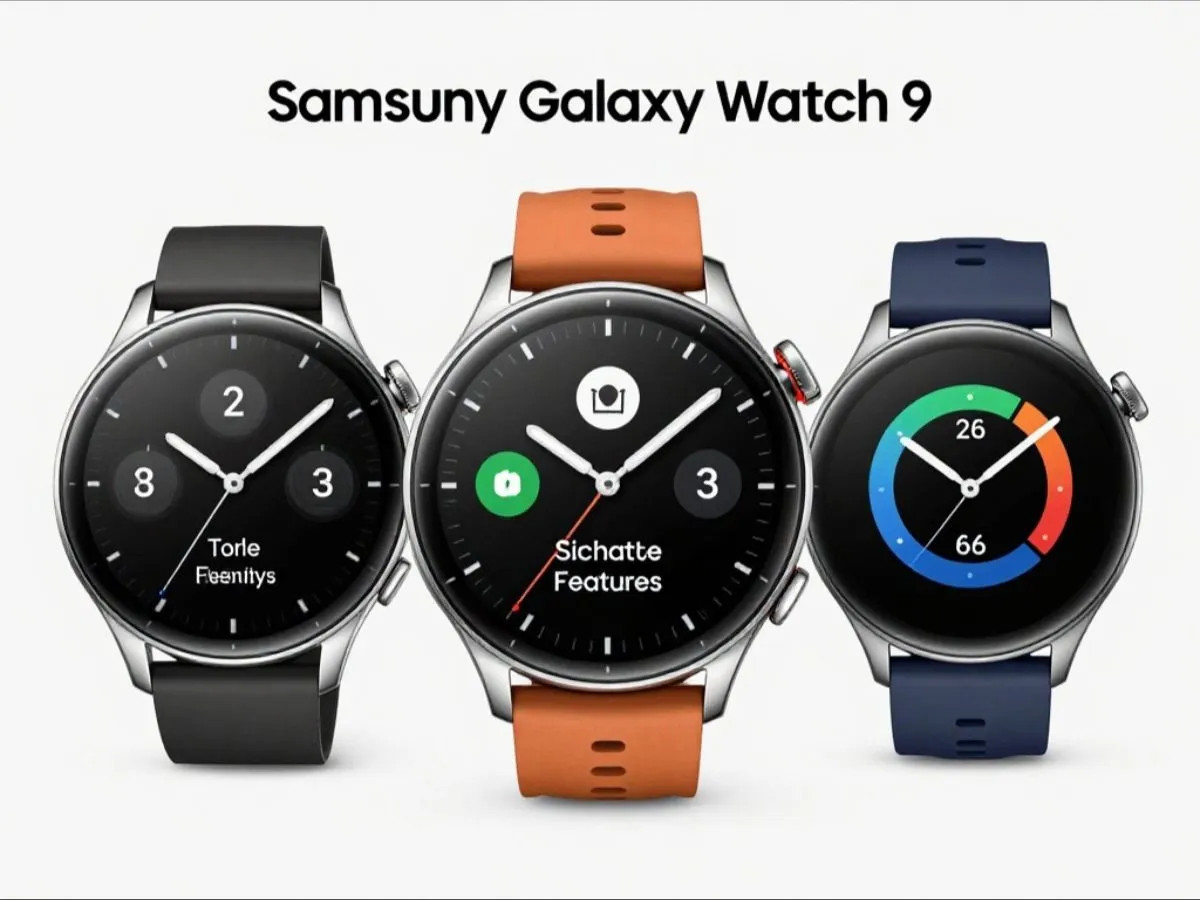
Samsung just transformed its health app from a data logger into something closer to a personal health advisor. With Galaxy Watch 9 dropping July 22, 2026, here’s what deserves your attention — ranked by real-world usefulness.
- Vitals Dashboard — Your Daily Health Snapshot
This is the standout addition. Instead of hunting across five separate screens, one dashboard now shows heart rate, heart rate variability, respiratory rate, skin temperature, and blood oxygen together. The clever part: the AI watches your personal baseline for a week before sending any alerts, so you only get notified when something genuinely looks off — not every minor blip. Think of it as a morning health check that actually knows your normal.
- Heart Health Score — One Number for Cardiovascular Wellness
Rather than staring at raw numbers and guessing what they mean, you now get a single daily score built from sleep quality, stress levels, physical activity, body composition, and vascular data combined. If your score dips, the app tells you exactly why and what to change. This makes cardiovascular tracking accessible without needing a medical background to interpret results.
- Daily Cardio Load — Stop Overtraining Without Realizing It
Anyone who exercises regularly will appreciate this. The feature tracks accumulated heart strain throughout the day and tells you whether your body is ready for a hard session or needs recovery time. It calculates your safe training ceiling based on current recovery state, which is genuinely useful for avoiding the slow-building burnout that ruins fitness routines. Runners, cyclists, and gym-goers get the most value here.
- Fitness Index — Find Your Weak Spots
Rather than a single fitness score, this breaks your physical condition into five categories: strength, flexibility, endurance, cardio fitness, and body composition. Each gets rated against people your age, and the AI then delivers specific recommendations targeting your lowest scores. If your cardio is strong but flexibility is poor, you get stretching guidance — not generic advice.
- Hearing Health — The Overlooked Feature Worth Caring About
Surprisingly practical. Your Galaxy Watch measures environmental noise levels while Galaxy Buds track your earbud volume. The app combines both to calculate your total daily noise exposure against safe thresholds. Commuters, gym users, and anyone who regularly listens to music loudly will find this genuinely eye-opening — most people have no idea how much hearing damage accumulates quietly over time.
What Else Changed
The app interface reorganizes everything around five wellness pillars — Sleep, Activity, Nutrition, Mindfulness, and Vitals — with AI-powered daily tips prominently on the home screen. Two existing features also get meaningful upgrades: the Antioxidant Index and AGEs Index now include trend charts so you can track how diet decisions affect your body over weeks rather than single days.
Practical Considerations Before You Upgrade
Availability: The app update rolls out June 8, but full functionality arrives with Galaxy Watch 9 in late July. Watch 8 owners get these features via a Q4 2026 update.
Setup time required: Vitals needs roughly a week of consistent sleep tracking before personalized baselines kick in — plan accordingly.
India-specific limitation: ECG, blood pressure monitoring, and sleep apnea detection are pending local regulatory approval, so those remain unavailable for now.
Medical disclaimer: Every new feature here is a wellness tool, not a diagnostic device. Sleep apnea detection is the only FDA-authorized feature in the lineup.
Quick Verdict
Samsung has built something genuinely useful rather than just feature-stuffing a spec sheet. The Vitals dashboard and Heart Health Score alone justify attention, and the alert-fatigue prevention shows thoughtful design. The main catches: India users miss the medically regulated features for now, and the Watch 9 price of approximately Rs.36,999 is a real commitment. If you already own a Watch 8, wait for the free Q4 update before spending anything.