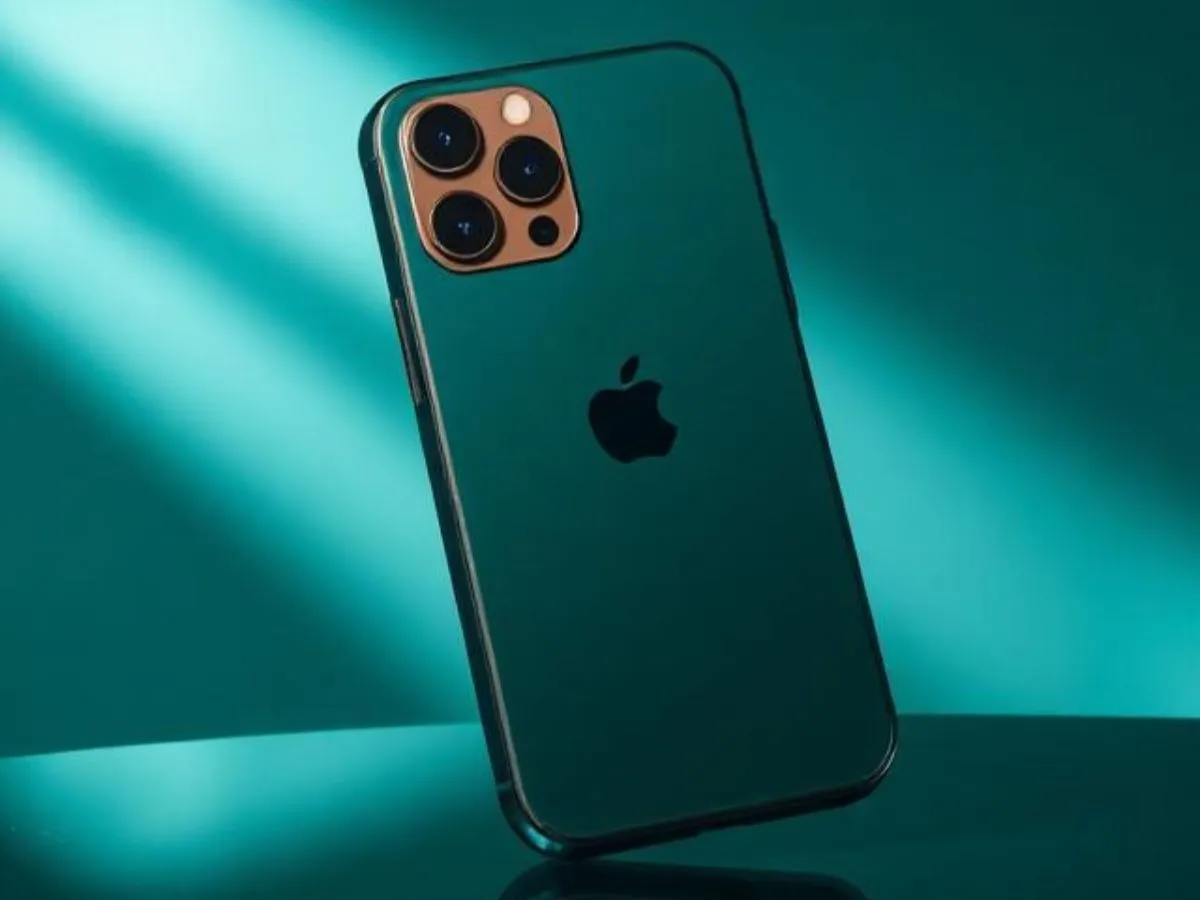
Staying connected in remote areas has always been a challenge for apple smartphone users. Dead zones, dropped calls, and lost signals during road trips or outdoor adventures are frustrating experiences most of us know well. The iPhone 18 Pro Max looks set to change all of that with a feature that feels almost futuristic — full 5G internet through satellite, even while your phone sits in your pocket.
The Biggest Shift: No More Manual Sky-Pointing
Earlier iPhones (models 14 through 17) offered satellite connectivity only for emergencies — think SOS messages and roadside assistance — and even then, you had to physically point your phone toward the sky and hold it steady. That was limiting and inconvenient in genuine emergencies.
The iPhone 18 Pro Max removes that friction entirely. Thanks to Apple’s new C2 modem — the company’s third in-house modem design and the first used in a Pro model without Qualcomm — the phone automatically switches between cellular towers and satellites without any input from you. You won’t even notice when it happens.
How the Technology Actually Works
The underlying standard is called 5G NR-NTN, which stands for Non-Terrestrial Networks. Rather than treating satellites as a separate backup system, this technology integrates them directly into the existing 5G framework — satellites essentially function as cell towers orbiting the sky.
Multiple antennas placed around the phone’s edges ensure at least one is always oriented toward a satellite signal, regardless of how the phone is positioned. Advanced signal processing compensates for the natural interference caused by fabric, your body, or a car interior. The switch from cellular to satellite takes under one second, and active calls or data sessions continue without dropping.
What You Can Actually Do on Satellite 5G
This is not emergency-messaging-only territory. Expected speeds of 5–10 Mbps open up a practical range of everyday tasks:
- Web browsing and email work smoothly
- iMessage, WhatsApp, and standard SMS function normally
- Apple Maps provides turn-by-turn navigation with live traffic updates
- Photos can be sent through Messages
- Video calls at 720p are possible, though they may occasionally stutter
- Third-party apps will be able to request satellite access through Apple’s new developer framework in iOS 20
However, 4K streaming, online gaming, and large file downloads remain impractical due to bandwidth and latency constraints. Satellite connectivity here is best understood as reliable essential connectivity, not a full cellular replacement.
Important Practical Considerations
Battery: Always-on satellite use reduces battery life by roughly 10–15%. iOS 20 will include a dedicated power-saving mode for satellite to manage this, and users can schedule sync times or disable satellite for non-essential apps.
Cost: This feature will likely require a premium carrier plan — around $80–100 per month in the US — compared to basic plans at $40–50. Over two years, that difference adds up to roughly $1,080 extra. A satellite add-on option may be available for $10–20 monthly on lower-tier plans.
Availability: At launch in September 2026, coverage is expected to reach 99% of the US through T-Mobile’s Direct to Cell partnership with SpaceX Starlink. Europe and Australia follow in late 2026, with India and other markets arriving in 2027.
Pro-exclusive: The feature is expected only on the iPhone 18 Pro and Pro Max, which start at $1,199 and $1,299 respectively. Standard iPhone 18 models retain emergency-only satellite.
Who This Feature Is Really For
If you regularly hike, camp, sail, travel to rural areas, or work in remote locations, this is a meaningful upgrade that could genuinely replace a dedicated satellite communicator costing $500 or more. For urban users with consistent cellular coverage, the premium may be hard to justify.
The Bigger Picture
Apple’s current emergency satellite system has already assisted over 100,000 people since its 2022 introduction. Expanding that capability into always-on everyday connectivity represents one of the more significant shifts in iPhone history — not a marginal update, but a rethinking of what mobile connectivity can mean when there’s no cell tower in sight.