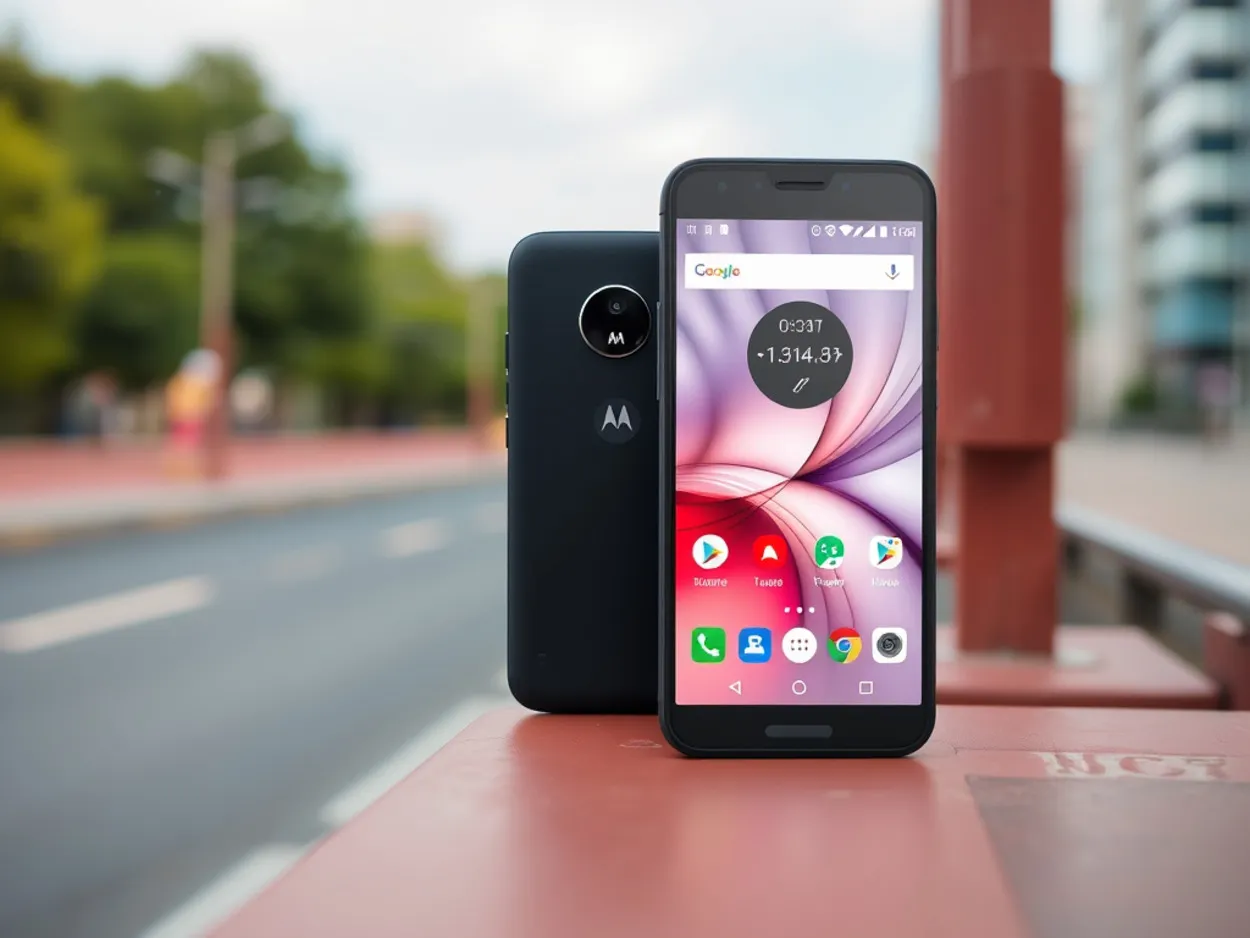
Motorola has launched two budget-midrange smartphones — the Moto G37 and Moto G37 Power — alongside the Moto Buds 2 earbuds. Here’s everything prioritized clearly to help you decide.
- Display & Design (Both Phones)
Both the G37 and G37 Power share a 6.67-inch Full HD+ IPS LCD screen with a 120 Hz refresh rate and roughly 1,050 nits peak brightness. Corning Gorilla Glass 7i protects against scratches and minor drops. The plastic matte body feels solid, and both phones carry IP64 splash resistance plus MIL-STD-810H certification for real-world durability. The G37 is slightly slimmer and lighter; the Power variant is bulkier due to its larger battery.
- Performance & Software
Both phones run Android 16 with Motorola’s clean MyUX skin — minimal bloat, close to stock Android. Useful extras include Moto Gestures (flip to open camera, double-tap for flashlight) and Moto Actions.
|
Feature |
Moto G37 |
Moto G37 Power |
|
Chipset |
Dimensity 6300 (6 nm) |
Dimensity 6300 or 6400 |
|
RAM |
4 GB |
Up to 8 GB |
|
Storage |
Up to 256 GB + microSD (1 TB) |
Up to 256 GB + microSD |
|
5G |
Yes |
Yes |
Both handle everyday tasks, social media, and light gaming comfortably.
- Battery & Charging — The Biggest Differentiator
This is where the two phones split clearly:
- Moto G37 — 5,100 mAh battery with ~30W wired charging. Reliable all-day battery for typical users.
- Moto G37 Power — 7,000 mAh battery with ~30–40W charging, capable of multi-day endurance. Motorola claims up to 62 hours of mixed usage.
If you frequently travel, work outdoors, or binge-watch content without easy access to a charger, the Power variant is the clear winner.
- Cameras
Both phones share the same camera setup:
- Rear: 50 MP main sensor (f/1.8, quad-pixel binning) with autofocus, HDR, and AI scene detection
- Front: 8 MP selfie camera capable of 1080p video
- Video: Up to 1080p at 30 fps with basic electronic stabilization
Two small auxiliary sensors help with exposure and HDR stability rather than adding extra lenses. Cameras are competent for everyday photography — social media, travel shots, video calls — but not a highlight for serious photographers.
- Connectivity (Both Phones)
Both models include NFC, Bluetooth 5.4, Wi-Fi 5, dual-SIM 5G, USB-C, a 3.5 mm headphone jack, FM radio, stereo speakers with Dolby Atmos, and a side-mounted fingerprint sensor. No compromises here for the price segment.
- Moto Buds 2 & Buds 2 Plus
|
Feature |
Moto Buds 2 |
Moto Buds 2 Plus |
|
Drivers |
11 mm + 6 mm dual-driver |
Same + Bose sound tuning |
|
Earbud battery |
Up to 11 hours |
Up to 9 hours |
|
Total with case |
Up to 48 hours |
Up to 40 hours |
|
ANC |
Up to ~55 dB |
Up to ~55 dB |
|
Codec |
LHDC + Hi-Res Audio |
Same |
|
Bluetooth |
6.0 with dual-device pairing |
Same |
|
Protection |
IP54 |
IP54 |
Both support fast charging (10 minutes ≈ 1–2 hours playback), customizable touch controls, wear detection, and six-microphone call clarity. The Plus version adds Bose-tuned sound refinement for users who care about audio quality over raw battery hours.
Quick Decision Guide
|
Choose |
If you prioritize |
|
Moto G37 |
Balanced phone, lighter feel, all-day battery |
|
Moto G37 Power |
Maximum battery, multi-day use, heavier workloads |
|
Moto Buds 2 |
Long-lasting ANC earbuds at a lower price |
|
Moto Buds 2 Plus |
Premium Bose-tuned audio with strong ANC |
Overall, Motorola delivers strong value across all four products — especially if battery life or clean Android software matters most to you.