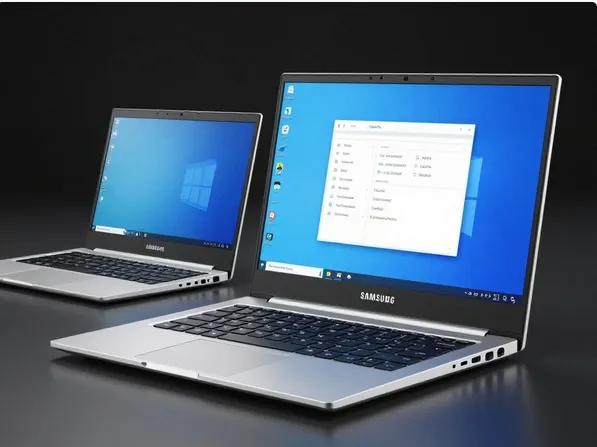
Samsung may be on the verge of one of its boldest moves in years. Reports from multiple tech outlets point to the company building a completely new Galaxy Book lineup powered by Android 17 and One UI 9, ditching Windows entirely. Nothing has been officially confirmed, but the coverage is detailed enough to take seriously. Here is a breakdown of what matters most and how to think about it.
- The Core Shift: Android Replaces Windows
The most critical thing to understand is what Samsung is allegedly changing. Current Galaxy Books run Windows, just like most laptops on the market. The new direction would mean these machines run Android 17 natively, with Samsung’s own One UI 9 sitting on top as the main interface. That is not a small tweak. It fundamentally changes what kind of device a Galaxy Book would be, moving it much closer to a large Android tablet with a keyboard than a traditional PC.
Why does this matter to you? Because every app, workflow, and productivity habit you currently associate with Windows laptops would need to be reconsidered. Android has improved dramatically for larger screens, but it is still a different computing environment.
- One UI 9: Making Android Feel Like a Laptop
One UI 9 is the software layer doing the heavy lifting here. Samsung’s job with this interface is to take Android, which was originally built around touchscreens, and make it feel natural on a device with a keyboard and trackpad. Reports indicate One UI 9 brings refined controls, better multitasking behavior, accessibility tools like Select to Speak, and general interface improvements designed for larger displays.
Think of it this way: One UI 9 is Samsung’s attempt to close the gap between an Android tablet experience and a fully functional laptop workflow. Whether it succeeds will determine whether these devices are actually usable for daily productivity.
- Samsung DeX Could Finally Reach Its Potential
Samsung has spent years building DeX, a desktop-style mode that turns its phones and tablets into something resembling a PC environment. An Android-based Galaxy Book could be the first device where DeX ideas get applied from the ground up rather than bolted on afterward. Reports suggest a more mature DeX experience could make transitions between your Galaxy phone and these new laptops significantly smoother, with shared apps, notifications, and files moving between devices more naturally.
This is a practical benefit worth paying attention to if you already own Galaxy phones or tablets.
- Galaxy AI Ties the Ecosystem Together
Samsung is also said to be building Galaxy AI features directly into these machines. This is not just about having a chatbot on your laptop. The goal appears to be making AI-powered continuity work across your phone, tablet, watch, and laptop simultaneously, so tasks started on one device can be picked up intelligently on another. For users already inside Samsung’s ecosystem, this could be a genuine quality-of-life improvement rather than a marketing feature.
- Multiple Models Across Price Tiers
Samsung is reportedly planning at least three variants: a budget-friendly option, a mid-range model, and a flagship. That structure mirrors how Samsung organizes its phone and tablet lineup. The importance here is strategic: Samsung does not appear to be treating this as a limited experiment. A full tiered lineup suggests the company is prepared to make Android laptops a real product category, not just a test balloon.
- Big Questions Still Unanswered
Before getting too excited or concerned, keep these unknowns in mind. Samsung has not confirmed processor choices, pricing, battery targets, or which regions would receive these laptops first. More importantly, it is unclear whether Android Galaxy Books would replace the existing Windows models or run alongside them. App compatibility for professional software remains a significant open question, since many specialized tools simply do not exist on Android.
Bottom Line
If accurate, Samsung is not just releasing a new laptop. It is attempting to redefine what a Galaxy Book is, turning it into an Android-powered extension of your existing Galaxy devices rather than a standalone Windows PC. The potential upside is a tighter, smarter ecosystem. The risk is whether Android, even with One UI 9 and improved DeX, can genuinely replace Windows for everyday laptop users. Expect more clarity before the end of 2026.