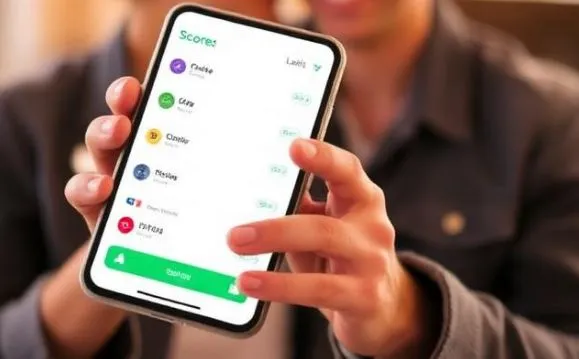
Score relaunched in February 2026 with an unusual approach to online dating: matching people based on their credit scores. The app positions itself as “Dating For People With Good Credit,” targeting users who view financial responsibility as a crucial compatibility factor. But does tying romance to credit reports make sense, or is it solving a problem that doesn’t exist?
What Makes Score Different
Unlike traditional dating apps that focus on photos, bios, and shared interests, Score uses credit scores as a reliability indicator. The founder, Luke Bailey, argues that credit reflects dependability and consistency—qualities that matter in relationships. The app addresses a real concern: 54% of people cite debt as a cause of divorce. By matching users who demonstrate fiscal responsibility, Score aims to reduce “attrition” (ghosting or flaking) that plagues other platforms.
The app launched initially on iOS for U.S. users, with Android and global expansion planned after Canada. It partners with Equifax for soft-pull credit checks, which don’t impact your score and only verify eligibility rather than storing full reports.
How the Two-Tier System Works
Basic Tier (Free) Anyone can join without verification. You get profile browsing, basic swiping, and standard matching features. This tier lets you test the waters without committing to credit verification, though your access to premium features remains limited.
Verified Tier Requires ID verification plus an Equifax credit check. Once verified, you unlock location-based browsing, profile saves, video intros, and pre-swipe messaging—tools that let you engage potential matches before they swipe on you. Verified status signals to other users that you’ve demonstrated financial accountability.
The Matching Philosophy
Score doesn’t display actual credit scores on profiles, which addresses privacy concerns. Instead, credit acts as a behind-the-scenes filter prioritizing financially consistent users. The app emphasizes reliability over wealth—someone with a modest income who pays bills on time ranks higher than someone with money but erratic payment history.
Bailey positions this as measuring dependability similar to how banks assess risk. Verified users connect in a pool where everyone has confirmed their financial responsibility, theoretically fostering earlier conversations about money without displaying exact scores.
Privacy and Data Handling
The app uses encrypted data handling and promises not to sell user information. For those ineligible due to credit issues, Score offers resources for credit improvement, promoting financial literacy alongside dating. This approach shows some awareness of the socioeconomic barriers credit-based access creates.
Who Should Consider Score
This app makes sense if you:
- View financial compatibility as non-negotiable in relationships
- Have experienced problems with unreliable partners who ghost or flake
- Want to discuss money management early in dating
- Have good credit and see it as an asset worth highlighting
- Prefer dating others who prioritize fiscal responsibility
Who Should Skip It
Score isn’t ideal if you:
- Have poor credit due to circumstances beyond your control (medical debt, student loans, economic hardship)
- Find the concept classist or exclusionary
- Worry about privacy risks with financial data on dating platforms
- Prefer chemistry and personality over financial metrics
- Think credit scores don’t accurately reflect character
Score tackles a legitimate concern—financial incompatibility in relationships—with a controversial solution. Using credit as a reliability proxy has some logic: responsible financial behavior often correlates with dependability in other areas. The soft-pull approach that doesn’t impact scores and the focus on consistency over wealth show thoughtfulness.
However, credit scores reflect systemic inequalities. Medical emergencies, student debt, and economic circumstances can tank scores regardless of character. By gatekeeping premium features behind credit verification, Score risks excluding good people who’ve faced hardship.
The app works best for users who already have strong credit and genuinely prioritize financial alignment in partnerships. If money conversations stress you out on traditional apps, Score’s filtered approach might help. But if you believe compatibility extends beyond FICO scores, or if credit issues don’t reflect your actual reliability, you’ll find more inclusive options elsewhere.
Ultimately, Score succeeds as a niche platform for financially-minded daters but raises valid questions about whether algorithmic filtering based on economic data creates meaningful connections or just reinforces privilege. Your comfort level with these tradeoffs should guide your decision to join.